Diagnostic Work That Goes Past the Code
Check Engine Light Service in Mulliken for vehicles showing unclear or recurring fault signals
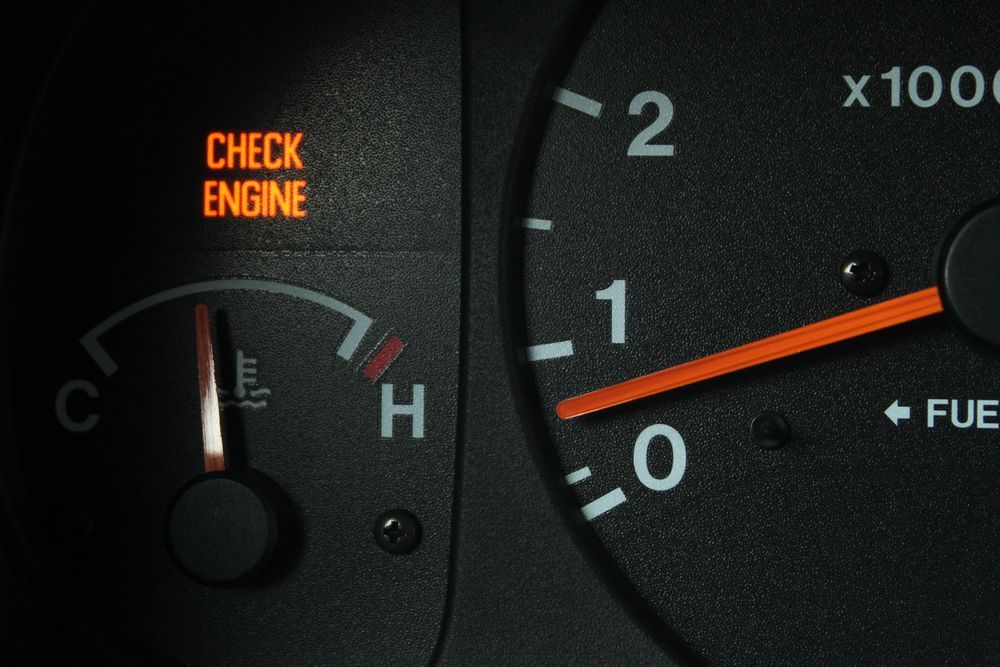
JW's Automotive handles check engine light diagnosis in Mulliken by running a full system diagnostic rather than stopping at a code read. A stored code identifies a system that reported a fault — it does not name the part that caused it, and treating the code as the answer is how misdiagnoses happen. The shop identifies the actual cause, explains it to you in plain terms, and does not begin repairs until you have enough information to decide how to proceed.
Vehicles in the Ionia and Lake Odessa area typically carry a history of stop-and-go town driving mixed with longer rural highway miles. That combination accelerates wear in specific places — oxygen sensors, vacuum line fittings, ignition components, and evaporative emission plumbing — and a check engine light on a high-mileage vehicle may reflect one fault, a related cluster, or a secondary symptom masking the underlying cause. A full system scan reads every available module, not just the primary powertrain code, which is how a hidden misfiring cylinder or a failing sensor upstream from the one that tripped the light gets caught before it causes further damage.
Request a diagnostic appointment to have the fault identified and reported before any repair decisions are made.
What a Full Diagnostic Actually Covers
The diagnostic process at JW's Automotive begins with a complete scan of the vehicle's control modules, pulling codes from powertrain, transmission, ABS, and emissions systems simultaneously. From there, the technician reviews live sensor data — fuel trims, misfire counts, oxygen sensor response curves — to confirm whether the fault is active, intermittent, or a stored history code from a condition that has since changed. That distinction matters because an intermittent fault requires different confirmation steps than a hard failure that is present every time the vehicle runs.
Once the cause is pinpointed, what you notice immediately is that the explanation is specific: not "your oxygen sensor is bad" but which sensor, what it is reading, and what that means for how the engine is running. After the repair is completed, the check engine light is cleared and the vehicle is verified to confirm the monitor has set correctly and the code does not return. A light that stays off after a confirmed fix is the observable result of a diagnosis that identified the real cause rather than a probable one.
Some vehicles arrive with multiple stored codes from deferred maintenance, and each code is prioritized before any parts are ordered. Repairs are sequenced so a downstream code caused by the primary fault is not treated as a separate problem requiring separate parts — a distinction that affects both the accuracy of the repair and the total cost of the job.
Questions About the Diagnostic Process
These questions address how check engine light diagnosis actually works and what the process involves from scan to repair decision.
What does a full system diagnostic include beyond reading the fault code?
A fault code scan pulls the stored and pending codes from the powertrain module, but a full system diagnostic reads every available module on the vehicle, reviews live sensor data, and checks for related faults in adjacent systems — giving a complete picture of what triggered the light rather than just which circuit reported a problem.
How does a technician confirm the fault is still active versus a stored history code?
Live data monitoring shows whether the sensor or system in question is performing outside specification during the current drive cycle; a history code that set weeks ago may not be present now, and confirming its status prevents replacing a part that is currently functioning correctly.
Why does the same code sometimes point to different repairs on different vehicles?
A code identifies the circuit or parameter that is out of range — not the component that caused it to go out of range. Fuel trim codes, for example, can result from a vacuum leak, a failing mass airflow sensor, a clogged injector, or a fuel pressure issue, and distinguishing between them requires data review rather than parts substitution.
What should you expect to know before a repair is approved?
Before any work begins at JW's Automotive, the cause is identified and explained so you understand what the part does, why it has failed, and what the vehicle will do differently once the repair is complete — no repair is authorized until you have that information.
How does the age and mileage of a vehicle in the Ionia area affect what a check engine light means?
High-mileage vehicles common in the Mulliken and Lake Odessa area tend to carry wear in ignition components, vacuum plumbing, and emissions hardware simultaneously, which means a single light may reflect more than one contributing condition — making a thorough diagnostic more important than a quick code clear.
JW's Automotive also performs check engine light diagnosis in Grand Ledge, Charlotte, Holt, and Lake Odessa. To have a current fault identified and explained before any repair decision is made, contact JW's Automotive at (517) 731-6496 and arrange a full system diagnostic.